Exploring Various Non-Emergency Medical Transportation Methods for Wheelchair-Bound Patients
- augustacabs1
- 3 days ago
- 3 min read

Access to reliable transportation is a critical factor in maintaining health and independence for wheelchair-bound patients. Non-emergency medical transportation (NEMT) services play a vital role in helping these individuals attend medical appointments, therapy sessions, and social activities without the stress or risk of using unsuitable transport options. This article explores different methods of NEMT designed specifically for wheelchair users, highlighting their features, benefits, and practical considerations.
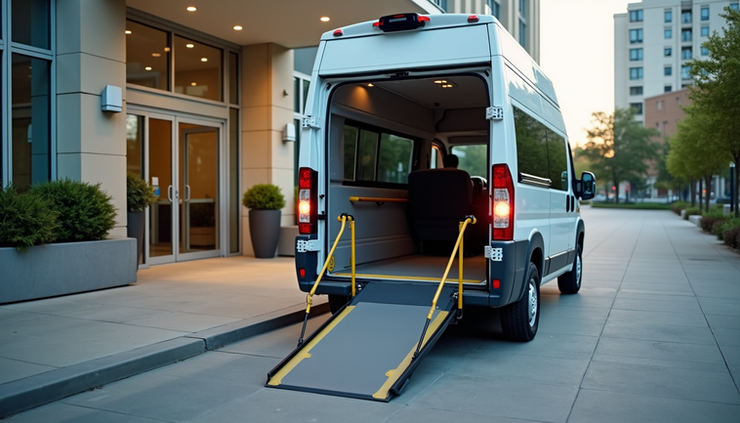
Wheelchair-Accessible Vans
One of the most common and versatile options for transporting wheelchair-bound patients is the wheelchair-accessible van. These vehicles are specially modified to accommodate wheelchairs safely and comfortably.
Features: Equipped with ramps or lifts, secure tie-downs, and spacious interiors to allow easy maneuvering.
Benefits: Patients can remain in their wheelchairs during transport, reducing transfers and discomfort.
Use cases: Ideal for individual or small group transport to medical appointments, rehabilitation centers, or social outings.
Considerations: Booking in advance is often necessary; some services offer door-to-door assistance.
These vans provide a balance between comfort and accessibility, making them a preferred choice for many patients and caregivers.
Ambulatory Transport with Wheelchair Assistance
For patients who can transfer from a wheelchair to a vehicle seat but still require assistance, ambulatory transport services offer a practical solution.
Description: Drivers or attendants help patients board standard vehicles, often equipped with swivel seats or additional support.
Advantages: More cost-effective than specialized vehicles, suitable for patients with partial mobility.
Limitations: Not suitable for patients who cannot transfer independently or require continuous wheelchair use.
This method suits patients with moderate mobility challenges who do not need full wheelchair accommodation during travel.

Some cities offer wheelchair-accessible taxi services that provide flexible, on-demand transportation for wheelchair users.
How it works: These taxis are equipped with ramps or lifts and trained drivers to assist passengers.
Benefits: Convenient for short trips, spontaneous travel, or when scheduled transport is unavailable.
Challenges: Availability may vary by location; fares can be higher than regular taxis.
Wheelchair taxis combine the convenience of traditional taxi services with accessibility features, offering an alternative for urgent or unscheduled trips.
Public Transportation with Accessibility Features
Many urban public transit systems have made strides in improving accessibility for wheelchair users.
Options include: Low-floor buses with ramps, accessible subway cars, and paratransit services.
Advantages: Cost-effective and widely available in many areas.
Drawbacks: May require planning around schedules and routes; some systems have limited space for wheelchairs.
Paratransit services often provide door-to-door rides for eligible individuals, bridging gaps where fixed-route public transit is less accessible.
Non-Emergency Ambulance Services
For patients requiring medical supervision during transport but not emergency care, non-emergency ambulance services offer a safe option.
Features: Staffed by trained medical personnel, equipped with medical devices and wheelchair lifts.
Use cases: Suitable for patients with complex medical needs or those recovering from surgery.
Cost and scheduling: Typically more expensive and require advance booking.
These services ensure patient safety during transport when medical monitoring or assistance is necessary.

Choosing the Right Transportation Method
Selecting the best NEMT option depends on several factors:
Patient’s mobility level: Can they transfer independently or must they remain in their wheelchair?
Medical needs: Is medical supervision required during transport?
Distance and frequency: Are trips short and occasional or long and regular?
Budget and insurance coverage: What costs are covered by insurance or assistance programs?
Availability: What services operate in the patient’s area?
Discussing these factors with healthcare providers and transportation coordinators helps ensure safe and comfortable travel.
Tips for a Smooth Transportation Experience
Book early: Many NEMT services require advance reservations.
Prepare documentation: Have medical records or prescriptions ready if needed.
Communicate needs clearly: Inform providers about mobility aids, assistance requirements, and any special conditions.
Plan for wait times: Allow extra time for boarding and disembarking.
Check vehicle accessibility: Confirm that the vehicle meets specific wheelchair and safety needs.
Being proactive reduces stress and helps avoid last-minute complications.
Comments